

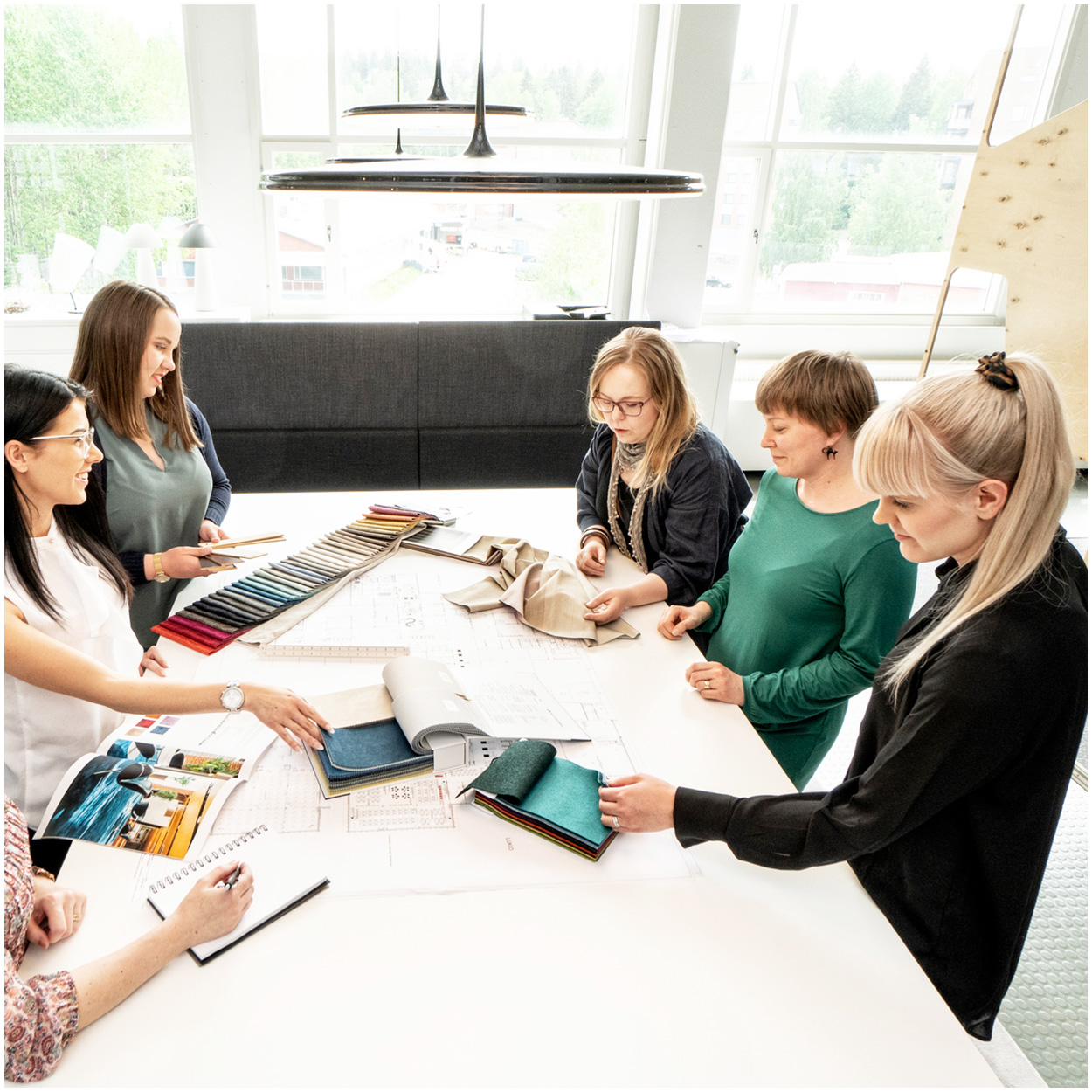


Understanding the fundamentals of learning environment design
When designing a learning environment, you must consider physical elements like lighting, acoustics, and furniture arrangement alongside pedagogical requirements and user needs. Effective educational space planning involves balancing flexibility, technology integration, ergonomics, and sustainability to create spaces that support diverse learning styles and teaching methods whilst promoting student engagement and wellbeing.
Learning environment design fundamentally shapes how students engage with content, interact with peers, and achieve educational outcomes. The physical space serves as the third teacher, influencing behaviour, mood, and cognitive performance through carefully considered design elements.
Successful classroom layout design begins with understanding that different learning activities require different spatial arrangements. Traditional rows may suit lecture-style teaching, but collaborative learning demands flexible configurations that can adapt throughout the day. The key lies in creating environments that support both focused individual work and dynamic group interactions.
The psychological impact of space cannot be underestimated. Students spend significant portions of their day in these environments, making comfort and inspiration essential considerations. Natural light, appropriate colour schemes, and comfortable temperatures contribute to a positive learning atmosphere that encourages participation and reduces stress.
Modern learning environment design also recognises the importance of supporting diverse learning preferences. Some students thrive in open, collaborative spaces, whilst others require quiet, enclosed areas for concentration. Effective design accommodates these varying needs within a cohesive overall framework.
What makes a learning environment effective for student success?
Effective learning environments combine optimal lighting, superior acoustics, excellent air quality, thoughtful colour psychology, and strategic spatial organisation to create conditions where all students can succeed regardless of their individual learning styles.
Lighting plays a crucial role in student alertness and eye strain prevention. Natural light should be maximised whilst avoiding glare on screens or work surfaces. Adjustable artificial lighting allows spaces to adapt to different activities throughout the day, from detailed written work requiring bright illumination to multimedia presentations needing dimmer conditions.
Acoustic design significantly impacts concentration and communication. Poor acoustics can hinder students with hearing difficulties and create fatigue for everyone. Sound-absorbing materials, strategic furniture placement, and consideration of noise from adjacent spaces all contribute to an optimal acoustic environment.
Air quality directly affects cognitive function and student health. Proper ventilation systems, temperature control, and consideration of indoor plants can improve air quality whilst creating a more pleasant atmosphere. Stuffy, poorly ventilated classrooms lead to drowsiness and reduced concentration.
Colour psychology influences mood and behaviour. Warm colours can create welcoming, energetic atmospheres, whilst cooler tones promote calm focus. The key is achieving balance and avoiding overwhelming students with overly stimulating colour schemes.
How does furniture selection impact learning outcomes?
Ergonomic classroom furniture directly influences student comfort, posture, concentration levels, and collaborative capabilities. Poor furniture choices can lead to physical discomfort, reduced attention spans, and limited flexibility in teaching approaches.
Proper ergonomics supports healthy posture and reduces physical strain during long periods of seated work. Adjustable height desks and chairs accommodate students of different sizes, ensuring everyone can maintain proper alignment. This consideration becomes increasingly important as students spend more time at desks with digital devices.
Durability requirements in educational settings demand furniture that withstands daily use by multiple students whilst maintaining functionality and appearance. High-quality materials and construction prevent frequent replacements and ensure consistent learning conditions throughout the furniture’s lifespan.
Furniture selection must support various teaching methodologies. Traditional lecture-style teaching, collaborative group work, hands-on activities, and individual study all require different furniture arrangements. Mobile furniture solutions enable quick transitions between these different modes of learning.
The relationship between student furniture and learning outcomes extends beyond physical comfort to psychological impact. Well-designed, attractive furniture contributes to students’ sense of being valued and creates pride in their learning environment.
| Furniture Type | Key Considerations | Learning Impact |
|---|---|---|
| Desks | Height adjustability, surface size, mobility | Posture support, workspace adequacy, layout flexibility |
| Seating | Ergonomic support, durability, stackability | Comfort, focus duration, space efficiency |
| Storage | Accessibility, security, organisation | Independence, responsibility, tidiness |
| Display | Visibility, interactivity, mounting flexibility | Engagement, comprehension, participation |
What role does flexibility play in modern learning spaces?
Flexible learning spaces enable rapid reconfiguration to support different activities, group sizes, and teaching methods. This adaptability maximises space utilisation whilst accommodating the diverse needs of modern educational approaches.
Moveable furniture solutions form the foundation of flexible learning environments. Lightweight tables, stackable chairs, and mobile storage units allow teachers and students to quickly transform spaces from individual work areas to collaborative zones. This flexibility supports active learning methodologies that require frequent transitions between different activities.
Modular designs extend flexibility beyond individual pieces to entire room configurations. Moveable walls, sliding partitions, and convertible spaces allow larger areas to be divided for small group work or opened up for presentations and assemblies. This approach maximises the utility of available space.
Technology integration must also embrace flexibility. Mobile device carts, flexible power solutions, and wireless connectivity enable technology to support learning anywhere within the space rather than restricting it to fixed locations.
The benefits of flexibility extend to supporting both individual and collaborative work within the same session. Students can begin with individual research, move to small group discussions, and conclude with whole-class presentations, all within the same space through strategic furniture arrangement.
How can technology integration be planned in learning environments?
Successful technology integration requires comprehensive planning of power infrastructure, device storage solutions, interactive displays, and furniture that seamlessly accommodates digital learning tools without compromising the physical learning environment.
Power solutions must anticipate the reality of multiple devices per student whilst maintaining safety and accessibility. Floor-mounted power outlets, ceiling-suspended power drops, and furniture-integrated charging solutions prevent the cable chaos that can disrupt learning and create safety hazards.
Device storage presents unique challenges in educational environments. Solutions must secure expensive equipment whilst allowing quick access for lessons. Mobile charging carts enable devices to be moved where needed whilst ensuring they remain charged and secure when not in use.
Interactive displays have evolved beyond simple projection to become central hubs for collaborative learning. Planning must consider viewing angles, lighting conditions, and integration with other classroom technology. Multiple display options support different group sizes and activities simultaneously.
Furniture design increasingly incorporates technology considerations. Desks with integrated cable management, charging stations built into seating, and mobile units that house both traditional supplies and digital tools create seamless integration between physical and digital learning resources.
For comprehensive support in creating technology-enabled learning environments, educational institutions can explore professional learning environment solutions that integrate furniture, technology, and pedagogical considerations.
Key takeaways for creating optimal learning environments
Creating optimal learning environments requires balancing multiple interconnected elements whilst maintaining focus on supporting diverse learning needs, promoting engagement, and ensuring long-term sustainability and functionality.
Successful learning space optimisation begins with understanding the specific pedagogical goals and user requirements of each space. Cookie-cutter approaches fail because every educational context has unique needs, student populations, and teaching philosophies that must be reflected in the physical environment.
Sustainability considerations extend beyond environmental impact to include financial sustainability through durable, adaptable solutions that serve institutions well over time. Investing in quality furniture and flexible designs reduces long-term costs whilst providing consistent learning conditions.
User involvement throughout the design process ensures solutions meet real needs rather than assumed requirements. Teachers, students, and support staff all bring valuable perspectives that contribute to more successful outcomes.
The most effective learning environments seamlessly integrate all elements – furniture, technology, lighting, acoustics, and spatial design – into cohesive environments that feel natural and inspiring rather than forced or artificial.
Regular evaluation and adjustment ensure learning environments continue meeting evolving needs. Educational approaches, technology, and student populations change over time, requiring environments that can adapt and evolve alongside these developments.
Professional guidance can significantly improve outcomes whilst avoiding common pitfalls. Experienced designers understand the complex interplay between all environmental factors and can create solutions that maximise both immediate impact and long-term value.