

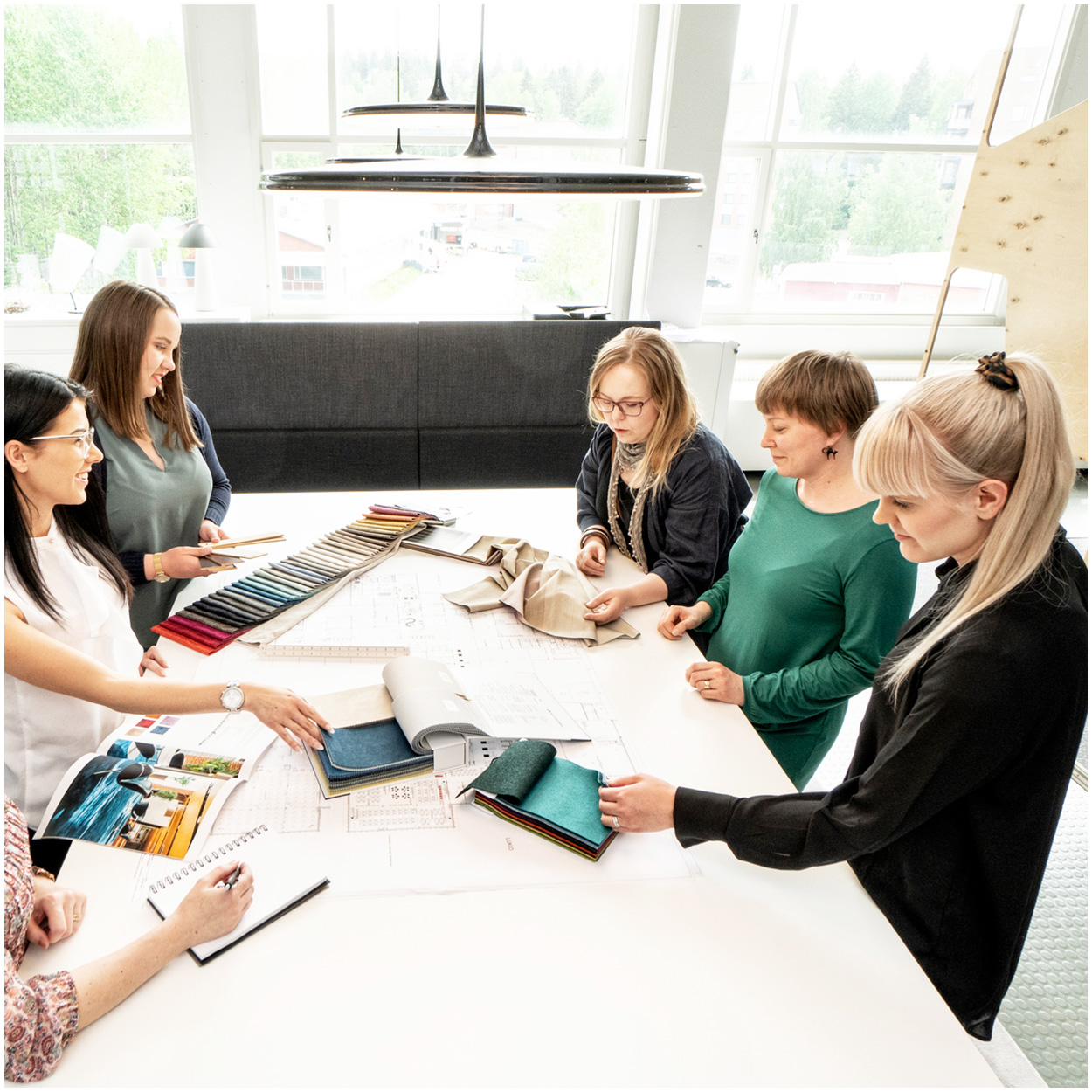


Understanding modern learning environment design principles
Contemporary educational space design centres on user-centred furniture solutions that adapt to diverse learning needs from early childhood through higher education. Modern learning environments move beyond traditional classroom layouts to create dynamic spaces that support multiple teaching methods and learning styles.
The foundation of effective learning environment design lies in understanding how different user groups interact with their physical space. Young learners require secure, nurturing environments with clearly defined boundaries, whilst older students benefit from flexible spaces that encourage independence and collaboration.
Successful educational furniture planning considers pedagogical goals alongside practical requirements. Each learning space must accommodate various activities, from focused individual work to dynamic group projects. This approach ensures that furniture arrangements support rather than hinder educational objectives.
Professional learning space planning involves comprehensive needs assessment, considering factors such as class sizes, teaching methods, technology integration, and future adaptability. The goal is creating environments where learning becomes naturally engaging and accessible to all users.
What makes furniture design different for elementary vs. secondary students?
Age-appropriate specifications form the primary distinction between elementary and secondary educational furniture. Elementary furniture features smaller dimensions, rounded edges, and enhanced safety features, whilst secondary solutions emphasise adjustability and sophisticated ergonomic support.
Elementary school furniture prioritises durability and safety with impact-resistant materials and stable construction. Bright colours and engaging designs help create welcoming environments that encourage young learners to feel comfortable and confident in their learning spaces.
Secondary education furniture focuses on preparing students for adult working environments. Adjustable desk heights, professional aesthetics, and modular configurations allow students to personalise their workspace whilst developing organisational skills and personal responsibility.
Size variations extend beyond simple scaling. Elementary furniture considers the rapid growth patterns of young children, often incorporating height-adjustable features that accommodate multiple age groups within single learning spaces. Secondary furniture addresses the diverse physical needs of adolescents approaching adult proportions.
How do collaborative learning spaces differ from traditional classrooms?
Collaborative learning environments feature flexible furniture arrangements that can be quickly reconfigured for different group sizes and activities, contrasting sharply with fixed rows of traditional classroom seating that limit interaction and movement.
Modern collaborative spaces incorporate modular seating solutions, mobile work surfaces, and adaptable storage systems. These elements allow educators to transform spaces rapidly from lecture-style arrangements to small group configurations or individual work zones as pedagogical needs change.
Traditional classrooms typically feature front-facing orientation with the teacher as the central focus. Collaborative spaces distribute authority throughout the room, creating multiple focal points and encouraging peer-to-peer learning interactions.
Technology integration differs significantly between these approaches. Collaborative spaces often feature multiple display options, charging stations distributed throughout the room, and furniture designed to accommodate various devices whilst maintaining ergonomic comfort.
For comprehensive guidance on creating effective learning environment solutions, professional consultation ensures optimal space utilisation and pedagogical alignment.
Why is ergonomic design crucial in educational furniture selection?
Ergonomic design in educational furniture directly impacts student health, comfort, and learning performance by promoting proper posture support during extended periods of seated work, reducing physical discomfort that can distract from academic focus.
Poor ergonomic design contributes to musculoskeletal problems that can develop during formative years and persist into adulthood. Properly designed educational furniture supports natural spine curvature, encourages active sitting, and accommodates the diverse physical needs of growing students.
Adjustable features in educational furniture allow customisation for individual users, ensuring optimal positioning for various tasks. Height-adjustable desks and chairs enable students to maintain proper alignment whether writing, reading, or using technology devices.
Long-term benefits of ergonomic educational furniture extend beyond physical health to include improved concentration, reduced fatigue, and enhanced learning outcomes. Students who are physically comfortable can focus more effectively on academic content rather than physical discomfort.
| Ergonomic Feature | Primary Benefit | Age Group Impact |
|---|---|---|
| Adjustable seat height | Proper leg positioning | Critical for growing students |
| Lumbar support | Spine alignment | Essential for extended sitting |
| Adjustable desk surface | Optimal arm positioning | Reduces shoulder strain |
| Footrest options | Leg circulation | Important for shorter students |
What role does sustainability play in modern school furniture choices?
Sustainability considerations in educational furniture procurement focus on environmental responsibility through sustainable materials, local manufacturing benefits, and long-term durability factors that support responsible institutional purchasing decisions and environmental stewardship education.
Sustainable materials in educational furniture include responsibly sourced wood, recycled metals, and low-emission finishes that contribute to healthy indoor air quality. These choices demonstrate institutional commitment to environmental responsibility whilst creating safer learning environments for students and staff.
Local manufacturing offers multiple sustainability advantages, including reduced transportation emissions, support for regional economies, and greater quality control throughout the production process. Finnish manufacturing, for example, combines environmental responsibility with exceptional craftsmanship standards.
Durability factors significantly impact long-term sustainability by reducing replacement frequency and associated waste. High-quality educational furniture that withstands intensive daily use over many years provides better environmental value than cheaper alternatives requiring frequent replacement.
Sustainable furniture choices also serve educational purposes, demonstrating environmental responsibility to students and providing tangible examples of sustainable practices in action. This integration supports broader environmental education goals within the curriculum.
Key considerations for creating effective learning environments
Creating effective learning environments requires comprehensive user group needs assessment, furniture quality standards evaluation, and partnership with experienced educational furniture specialists who understand the complex relationship between physical space and pedagogical success.
Needs assessment begins with understanding specific user requirements across different age groups, learning styles, and educational approaches. This process involves collaboration with educators, administrators, and students to identify priorities and constraints that will influence furniture selection and spatial design.
Quality standards in educational furniture encompass durability, safety, ergonomics, and aesthetic considerations. Professional-grade educational furniture must withstand intensive daily use whilst maintaining appearance and functionality over extended periods.
Successful learning environment development requires expertise in both educational pedagogy and furniture design. Experienced specialists understand how physical elements support or hinder various teaching methods and can recommend solutions that enhance rather than limit educational possibilities.
Future adaptability represents a crucial consideration in educational furniture investment. Learning environments must accommodate changing pedagogical approaches, technology integration, and evolving educational needs without requiring complete replacement of furniture systems.
The most effective learning environments result from collaborative planning processes that bring together educational expertise, design knowledge, and practical implementation experience. This comprehensive approach ensures that furniture solutions truly serve their intended educational purposes whilst providing lasting value for educational institutions.