

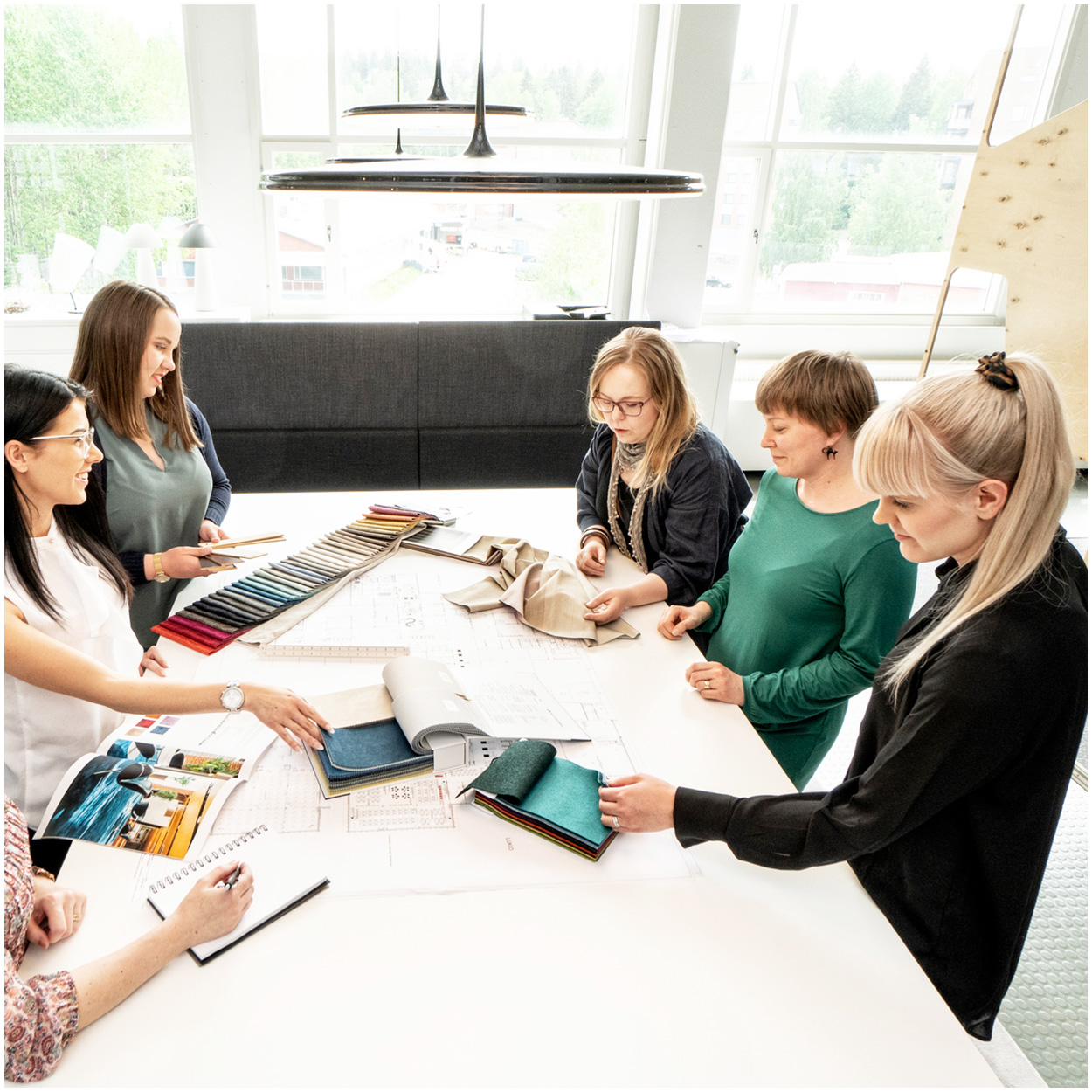


The best classroom layout for learning depends on your teaching activities and student needs, but effective designs prioritize visibility, flexibility, and easy movement. Successful layouts allow teachers to see all students, enable quick transitions between individual and group work, and support varied teaching methods throughout the day. Understanding how classroom space affects learning helps you create an environment where students stay engaged, collaborate effectively, and focus on their work.
What makes a classroom layout effective for student learning?
An effective classroom layout ensures every student can see the teacher and instructional materials clearly, provides easy access to learning resources, and adapts quickly to different activities. The physical arrangement directly impacts student engagement by either supporting or hindering movement, collaboration, and the ability to focus on tasks. When students can transition smoothly between independent work, group projects, and whole-class instruction, they spend more time learning and less time rearranging furniture.
The core principle of visibility means teachers need clear sightlines to all students for effective monitoring and support. Students also need unobstructed views of presentation areas and instructional materials. Poor visibility creates disengagement as students struggle to see or feel disconnected from the lesson.
Accessibility matters because students need to reach materials, move around the room, and access different work areas without disrupting others. Narrow pathways or blocked access points create bottlenecks that waste instructional time and increase frustration. Well-planned circulation routes allow smooth movement during transitions and enable teachers to reach students who need individual support.
Flexibility has become essential as teaching methods have evolved beyond traditional lectures. Modern classrooms support varied activities throughout the day, from direct instruction to collaborative projects to individual focus work. Layouts that accommodate these changes without major reorganization help maintain learning momentum and allow teachers to match the physical space to their pedagogical goals.
Understanding how classroom space affects learning reveals that physical arrangements influence social dynamics and participation patterns. Students seated in high-traffic areas face more distractions, while those positioned at the periphery may feel less engaged. Thoughtful placement considers these factors to create equitable learning opportunities for all students.
What are the most common classroom layouts and when should you use them?
Traditional rows work well for direct instruction, testing, and activities requiring individual focus. This arrangement provides clear sightlines to the front, minimizes peer distraction, and establishes clear classroom management. Rows suit lecture-based teaching, independent work periods, and situations where you need maximum control over student attention. However, this layout limits collaboration and can feel rigid for younger students or creative subjects.
Cluster arrangements group desks into pods of four to six students, supporting collaborative learning and group projects. This layout encourages discussion, peer learning, and teamwork while maintaining some structure. Clusters work best for project-based learning, science labs, and classrooms emphasizing cooperation. The main limitation is that some students face away from instructional areas, requiring frequent repositioning during whole-class teaching.
U-shaped or horseshoe configurations place desks around the room’s perimeter, creating an open central space. This arrangement facilitates class discussions, allows teachers to move freely among students, and provides flexibility for central activities. The U-shape suits discussion-based subjects, demonstrations, and classes where student interaction is paramount. It works particularly well for smaller groups but becomes less practical with larger class sizes.
Circle formations remove hierarchy and promote equal participation in discussions. Every student faces their peers, creating an inclusive environment for dialogue and debate. This layout excels in humanities classes, advisory periods, and situations prioritizing student voice. The challenge is limited workspace and difficulty maintaining focus during longer sessions.
Each arrangement serves specific teaching goals and student age groups differently. Younger children often need more structured layouts with clear boundaries, while older students can handle flexible arrangements that shift throughout the day. Subject matter also influences choice, with hands-on subjects benefiting from clusters and lecture-heavy courses working well with rows.
How does classroom furniture arrangement impact student behavior and focus?
Furniture placement directly affects student attention by controlling visual distractions, defining personal space, and establishing movement patterns. Students facing windows or high-traffic areas experience more interruptions to their focus, while those with backs to walls often feel more secure and attentive. The psychological impact of seating position influences participation levels, with students in the front and center typically engaging more actively than those at the periphery.
Social dynamics shift based on proximity and orientation. Students seated face-to-face naturally engage in more conversation, which supports collaboration but can increase off-task behavior during independent work. Side-by-side seating reduces social interaction while maintaining some peer support. Understanding these patterns helps you place students strategically based on their needs and your instructional goals.
Classroom management becomes easier or harder depending on furniture arrangement. Teachers need clear pathways to reach all students quickly, monitor work effectively, and intervene when necessary. Arrangements that create blind spots or difficult-to-reach areas complicate supervision and allow disengagement to develop unnoticed.
The ability to transition between activities affects both behavior and learning efficiency. When furniture is difficult to rearrange, teachers often stick with one configuration regardless of its suitability for different tasks. This mismatch between layout and activity reduces effectiveness and can increase behavioral issues as students become restless or confused about expectations.
Movement patterns established by furniture placement influence energy levels and engagement. Layouts allowing appropriate movement help students stay alert and focused, while overly restrictive arrangements can create restlessness. Conversely, too much open space or unclear pathways may lead to excessive movement and distraction.
What is flexible classroom design and why is it becoming popular?
Flexible classroom design uses adaptable furniture and modular layouts that can be quickly reconfigured for different activities throughout the day. Rather than maintaining one static arrangement, these spaces transform to support varied teaching methods, allowing the same room to facilitate group work, individual study, presentations, and hands-on activities. This approach recognizes that different learning tasks require different physical environments.
The popularity of flexible design stems from evolving educational approaches that emphasize student-centered learning, collaboration, and differentiation. Traditional fixed layouts served lecture-based instruction well but struggle to accommodate modern teaching methods. We’ve seen schools increasingly adopt flexible solutions because they support the varied activities that happen in contemporary classrooms.
Lightweight, mobile furniture forms the foundation of flexible design. Tables and chairs on wheels allow quick transitions between configurations without heavy lifting or wasted time. Height-adjustable furniture accommodates different student sizes and working preferences, from traditional desk work to standing or floor-level activities. This mobility means the physical space adapts to learning goals rather than constraining them.
Student choice plays a significant role in flexible environments. When students can select seating that matches their task and learning style, engagement often increases. Some students focus best at traditional desks, while others prefer collaborative tables, soft seating, or standing options. Providing these choices acknowledges diverse learning needs and preferences.
Flexible design particularly benefits classrooms serving multiple purposes or teaching styles. The same space might host traditional instruction in the morning, small group work after lunch, and hands-on projects in the afternoon. Rather than compromising with a mediocre one-size-fits-all arrangement, flexible furniture enables optimization for each activity.
We offer ergonomic school furniture solutions designed for flexibility and durability. Our mobile furniture allows you to transform learning spaces quickly while maintaining the quality and safety standards essential for educational environments. When teaching goals drive furniture placement rather than the reverse, both teachers and students benefit from spaces that truly support learning.
How do you choose the right classroom layout for your teaching needs?
Start by evaluating your available space and identifying any fixed elements like built-in cabinets, doors, or technology that constrain your options. Measure the room and map out non-negotiable features before considering furniture placement. Understanding your spatial constraints helps you make realistic decisions about what layouts will actually function in your specific classroom.
Identify your primary teaching goals and typical daily activities. If you spend most time on direct instruction, prioritize layouts supporting whole-class focus. If collaboration dominates your teaching style, emphasize arrangements facilitating group work. Most teachers need to support multiple activity types, which points toward flexible solutions that adapt throughout the day rather than static arrangements.
Consider your students’ ages, needs, and the subjects you teach. Younger children often need more structured environments with clear boundaries and designated areas for different activities. Older students can handle more complex arrangements and benefit from choices about where and how they work. Subject matter influences layout too, with hands-on subjects requiring different configurations than discussion-based classes.
Select furniture that enables easy reconfiguration without excessive effort or time. Heavy, fixed furniture locks you into one arrangement regardless of its effectiveness for different tasks. Lightweight tables and chairs on wheels allow quick transitions between layouts. Height-adjustable options accommodate different student sizes and working preferences, creating more inclusive learning environments.
Test your chosen layout and observe student engagement, behavior, and learning outcomes carefully. Watch for bottlenecks during transitions, students who struggle to see or hear instruction, and areas where off-task behavior clusters. These observations reveal whether your layout supports or hinders your teaching goals. Be prepared to make adjustments based on what you notice rather than committing permanently to your initial arrangement.
Create a framework for ongoing evaluation by periodically assessing whether your current layout serves your teaching activities effectively. As your methods evolve or student needs change, your classroom arrangement should adapt accordingly. The best layout is one that matches your current reality rather than an idealized version that doesn’t reflect actual classroom life.
We understand that creating effective learning environments requires both thoughtful planning and quality furniture that enables flexibility. Our school furniture solutions support the varied teaching approaches modern education demands, helping you create spaces where students thrive and learning flourishes. When you’re ready to explore how adaptable furniture can transform your classroom, we’re here to help you develop solutions that match your specific needs and teaching goals.