

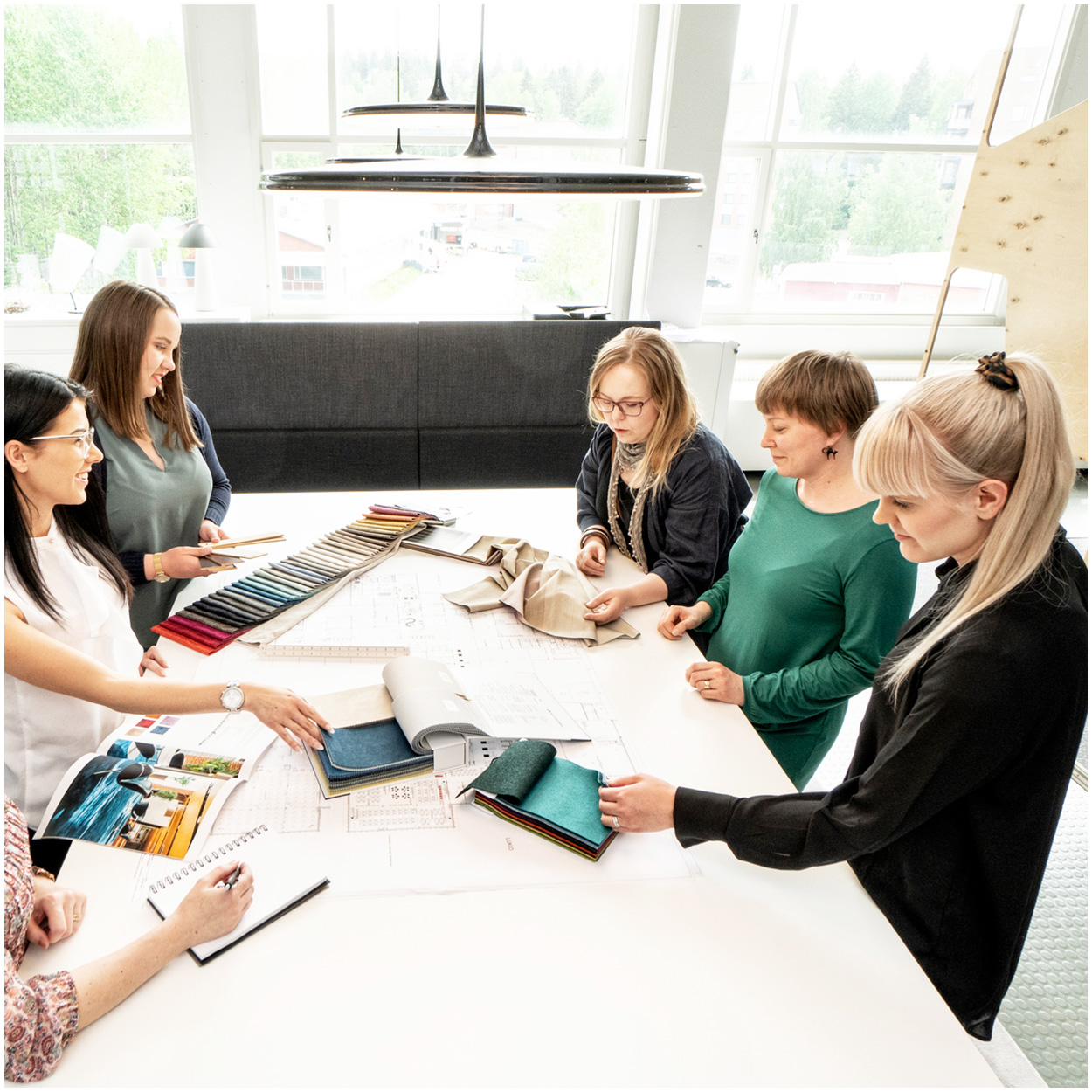


Physical space design significantly influences learning outcomes by addressing fundamental environmental factors that affect concentration, comfort, and cognitive function. Well-designed educational spaces consider lighting quality, acoustics, temperature, spatial layout, and flexibility to create environments that reduce distractions and support various learning activities. When these elements work together harmoniously, they create conditions where students can focus better, collaborate more effectively, and engage more deeply with educational content.
What makes a physical space conducive to learning?
A learning-conducive space balances multiple environmental factors including proper lighting, controlled acoustics, comfortable temperature, thoughtful spatial layout, and adaptable configurations. These elements work together to minimise cognitive load, allowing students to focus mental energy on learning rather than compensating for environmental discomfort. Quality acoustics prevent sound distractions, appropriate lighting reduces eye strain, and flexible layouts accommodate different teaching methods.
Temperature control plays a surprisingly important role in maintaining concentration. Spaces that are too warm can induce drowsiness, whilst overly cold environments create physical discomfort that diverts attention from learning tasks. The ideal range typically falls between 20-22 degrees Celsius, though individual preferences vary.
Spatial layout influences how students interact with content and each other. Open sightlines allow teachers to monitor engagement, whilst defined zones help students understand where different activities occur. Circulation paths should enable movement without disrupting focused work, and storage solutions keep materials organised and accessible.
Acoustic design deserves particular attention in educational settings. Hard surfaces create echoes and amplify noise, making it difficult for students to distinguish speech clearly. Soft materials, acoustic panels, and thoughtful room proportions help manage sound levels, creating environments where communication flows naturally without raising voices.
Flexibility in design allows spaces to evolve with pedagogical needs. When environmental elements can be adjusted, the same room can support quiet individual work, small group collaboration, or whole-class instruction without requiring students to relocate.
How does classroom furniture arrangement affect student engagement?
Furniture arrangement directly influences how students interact, participate, and maintain attention during learning activities. Traditional row configurations support teacher-directed instruction and individual focus, whilst clustered arrangements facilitate collaboration and peer learning. The physical setup creates invisible boundaries that either encourage or limit movement, communication, and different types of engagement throughout the learning experience.
When desks face forward in rows, students naturally orient their attention toward the teacher and front of the room. This arrangement works well for lectures, demonstrations, and activities requiring individual concentration. However, it can create barriers to peer interaction and may make some students feel isolated or disconnected from the learning community.
Collaborative clusters, where desks are grouped in small arrangements, promote discussion and teamwork. Students can easily see each other’s faces, share materials, and work together on projects. This configuration supports active learning strategies but requires clear expectations about when to focus individually versus when to engage with peers.
Movement-friendly layouts incorporate pathways and flexible seating options that allow students to shift positions throughout the day. Some learners concentrate better when they can stand, perch on stools, or choose different seating types based on the task at hand. We offer ergonomic school furniture designed to support various working positions whilst maintaining proper posture and comfort.
The arrangement also affects teacher mobility and accessibility. When furniture is positioned to allow easy circulation, teachers can move throughout the space, providing individual support and monitoring engagement more effectively. This proximity often increases participation, as students feel more connected to instruction.
Consideration of how classroom space affects learning extends beyond mere aesthetics. The physical configuration signals what types of activities are valued and expected, shaping student behaviour and interaction patterns from the moment they enter the room.
Why does natural light matter in educational environments?
Natural light supports learning by regulating circadian rhythms, reducing eye strain, enhancing mood, and creating visual comfort that artificial lighting struggles to replicate. Daylight provides a full spectrum of wavelengths that help maintain alertness during daytime hours, supporting the body’s natural wake-sleep cycle. Educational spaces with ample natural light create more pleasant environments that can positively influence both student wellbeing and their capacity to engage with learning tasks.
Circadian rhythm support is particularly important for young learners whose sleep patterns are still developing. Exposure to natural light during school hours helps regulate melatonin production, promoting better sleep at night and greater alertness during the day. This natural biological synchronisation supports consistent energy levels throughout the learning day.
Visual comfort improves significantly with natural lighting. The eye adapts more easily to daylight than to artificial sources, reducing the strain that comes from prolonged focus on reading materials and screens. Windows that provide views to the outdoors also offer natural break points where eyes can refocus on distant objects, providing relief from near-work fatigue.
Mood enhancement associated with natural light is well-recognised in various environments. Daylit spaces feel more open, welcoming, and connected to the outside world. This psychological comfort can reduce feelings of confinement and contribute to a more positive learning atmosphere.
Practical implementation requires managing both the benefits and challenges of natural light. Glare control through blinds, curtains, or architectural features ensures that bright sunlight doesn’t create visual discomfort or make screens difficult to view. Positioning work surfaces perpendicular to windows often provides good illumination whilst minimising glare on task areas.
Temperature management accompanies natural lighting strategies. Large windows can create heat gain during warm months or heat loss during cold periods. Thoughtful design balances daylight access with thermal comfort, using appropriate glazing and shading strategies to maintain comfortable learning conditions year-round.
What role does colour play in creating effective learning spaces?
Colour influences the psychological atmosphere of learning environments, affecting how spaces feel and function for different activities. Cooler tones like blues and greens tend to create calming environments that support concentration, whilst warmer colours like yellows and oranges can energise spaces and stimulate creativity. The key is matching colour choices to the intended purpose of each space, creating visual environments that support rather than distract from learning objectives.
Different areas within educational settings benefit from thoughtful colour application. Quiet focus zones often work well with muted, cooler palettes that don’t compete for attention. Collaborative spaces might incorporate more vibrant accents that signal energy and interaction. Common areas where students gather socially can embrace warmer, more stimulating colours that encourage engagement and conversation.
Age considerations influence colour strategy. Younger children often respond positively to brighter, more varied colour schemes that create playful, engaging environments. Older students typically prefer more sophisticated palettes with subtler variations that feel mature and respectful of their developing identities.
Contrast and visibility matter for functional purposes. Text and visual materials need sufficient contrast with their backgrounds to be easily readable. Wayfinding and organisational systems benefit from colour coding that helps students navigate spaces and locate materials independently.
Balance prevents colour from becoming overwhelming. When every surface demands visual attention, the cumulative effect can be overstimulating rather than supportive. Using neutral bases with strategic colour accents allows the eye to rest whilst still creating visual interest and defining different zones within the space.
Cultural considerations also play a role in colour perception. Different cultures associate various meanings with specific colours, and what feels energising or calming can vary across cultural contexts. Thoughtful design considers the community being served and makes choices that resonate positively with that particular population.
How can flexible spaces support different learning styles and activities?
Flexible spaces accommodate diverse teaching methods and learning preferences through adaptable furniture, multi-functional zones, and reconfigurable layouts that change based on educational needs. Mobile furniture systems allow quick transitions between individual work, small group collaboration, and whole-class instruction without requiring students to move between different rooms. This adaptability means a single space can support quiet reading, hands-on projects, technology-based learning, and group discussions throughout the day.
Movable furniture on wheels or lightweight pieces that students can rearrange themselves create immediate flexibility. When learners can adjust their environment to suit the task, they develop agency and ownership over their learning space. We design school furniture that balances mobility with stability, ensuring pieces move easily when needed but remain secure during use.
Multi-functional zones within a single room provide options without requiring constant reconfiguration. A corner with comfortable seating serves as a reading area or small group discussion space. A standing-height table accommodates students who focus better whilst moving. Technology integration points with accessible power and connectivity support digital learning activities without tethering students to fixed locations.
Quiet focus areas meet the needs of learners who require minimal distraction to process information deeply. These zones might feature individual carrels, acoustic treatments, or visual separation from more active areas. Having designated quiet spaces doesn’t mean students must remain there constantly, but rather provides a refuge when concentration demands it.
Collaborative spaces with clustered seating, writable surfaces, and shared resources encourage teamwork and peer learning. These areas signal that discussion and interaction are welcome, creating psychological permission for students to engage actively with each other and with learning materials.
Our school dining halls demonstrate this flexibility principle. Through thoughtful furniture selection and layout, these spaces transform from eating areas during lunch to learning environments throughout the day. Ergonomic furniture and good acoustics create comfortable, functional spaces where students can learn, eat, and spend time together. This efficient use of space maximises the value of every square metre in educational facilities.
Storage solutions support flexibility by keeping materials organised and accessible without cluttering active learning areas. When resources can be quickly retrieved and put away, transitions between activities happen smoothly, maintaining momentum and engagement throughout the learning day.
Understanding how classroom space affects learning helps educators and designers create environments that truly serve educational goals. Physical space isn’t just a container for learning—it’s an active participant in the educational experience, either supporting or hindering the complex work of teaching and learning that happens within it.