



 Suomi
Suomi Русский
Spaces Designed Together to Strengthen the School’s Community Culture
Kempele’s Kirkonkylä School is located in the new multi-purpose building, Kempele Kirkonkylätalo, which opened in January 2024. This 16,500 m² facility brings together flexible learning environments and communal spaces, currently serving approximately 820 students.
The school’s activities are deeply influenced by the idea of “Better Together,” a philosophy that is reflected both in daily operations and in the design and furnishing of the spaces. The new multi-purpose building is a prime example of how thoughtfully designed spaces can enhance both learning and wellbeing.
Learning Built Village by Village
At Kirkonkylä School, the operation is organized into smaller “villages” based on grade levels. For instance, in Luotokylä, first- and second-graders spend their days in spaces tailored specifically for their needs. The oldest students are located on the third floor, and subject-specific teaching is organized across several villages, such as Lettokylä, where languages and sciences are taught.
In addition to the learning spaces, the facility houses the Tähkä restaurant, which serves approximately 1,700 students daily; the Aitta café, which serves as a staff break room; student welfare and staff social areas; science and home economics rooms; makerspace and STEAM rooms; and student lounges and communal gathering spaces.


Flexibility and Pedagogical Usability Guided the Design
The design of the spaces was guided by clear pedagogical goals from the outset. At Kirkonkylä School, it was crucial to ensure that the furniture and spatial solutions supported both daily teaching activities and the school’s community-oriented culture.
“From the very beginning, we wanted flexible, ergonomic spaces that primarily foster pedagogical usability. The ‘Better Together’ philosophy guiding the school’s activities also influenced the interior design and furniture choices, ensuring solutions that support pair and team teaching. We sought furniture that was both aesthetically pleasing and ergonomic, but above all, that would support daily teaching work. Flexibility enables adaptable groupings and diverse working methods, while the furniture also needed to support inquiry-based learning and interdisciplinary teaching. The spaces must be adaptable to daily life, not the other way around,” explains Sami Paavola, Principal of Kirkonkylä School.
Functional Spaces that Enhance Daily Operations
The new spaces have been met with great satisfaction, and feedback has been overwhelmingly positive. Staff particularly value the opportunities for co-teaching and the flexible grouping arrangements. Students appreciate the spaciousness, modern solutions, and new learning environments. Acoustic improvements and the overall functionality of the spaces have notably enhanced the learning environment.
“We involved the entire staff in the planning of the furniture. By working together, researching, and discussing from different perspectives, we were able to find solutions that withstand the demands of a primary school,” Paavola adds.
What’s the Best Thing About the New School?
According to the Principal, the best aspect is the holistic design, where modern learning environments, pedagogical flexibility, and multifunctional spaces complement each other. The spaces also encourage collaboration and foster a sense of community.
“The flexible spaces that support community are undoubtedly our greatest strength. They enable the formation of a new operational culture,” Paavola says.
The development of the spaces is seen as an ongoing process, with the overall design being evaluated and refined based on everyday experiences.


Spaces that Promote Wellbeing and Community Culture
For Kirkonkylä School, the new building holds significant importance. Prior to its completion, the school operated for several years in temporary accommodation. The Principal believes that the collaboratively designed and implemented spaces mark a major step forward for the entire staff.
“The new spaces support inclusion and safety, pedagogical change, and community culture. The spaces are not merely physical structures; through collaborative design, they enable the development of a community culture and support flexible pedagogical solutions.”
Co-Design as the Key to Success
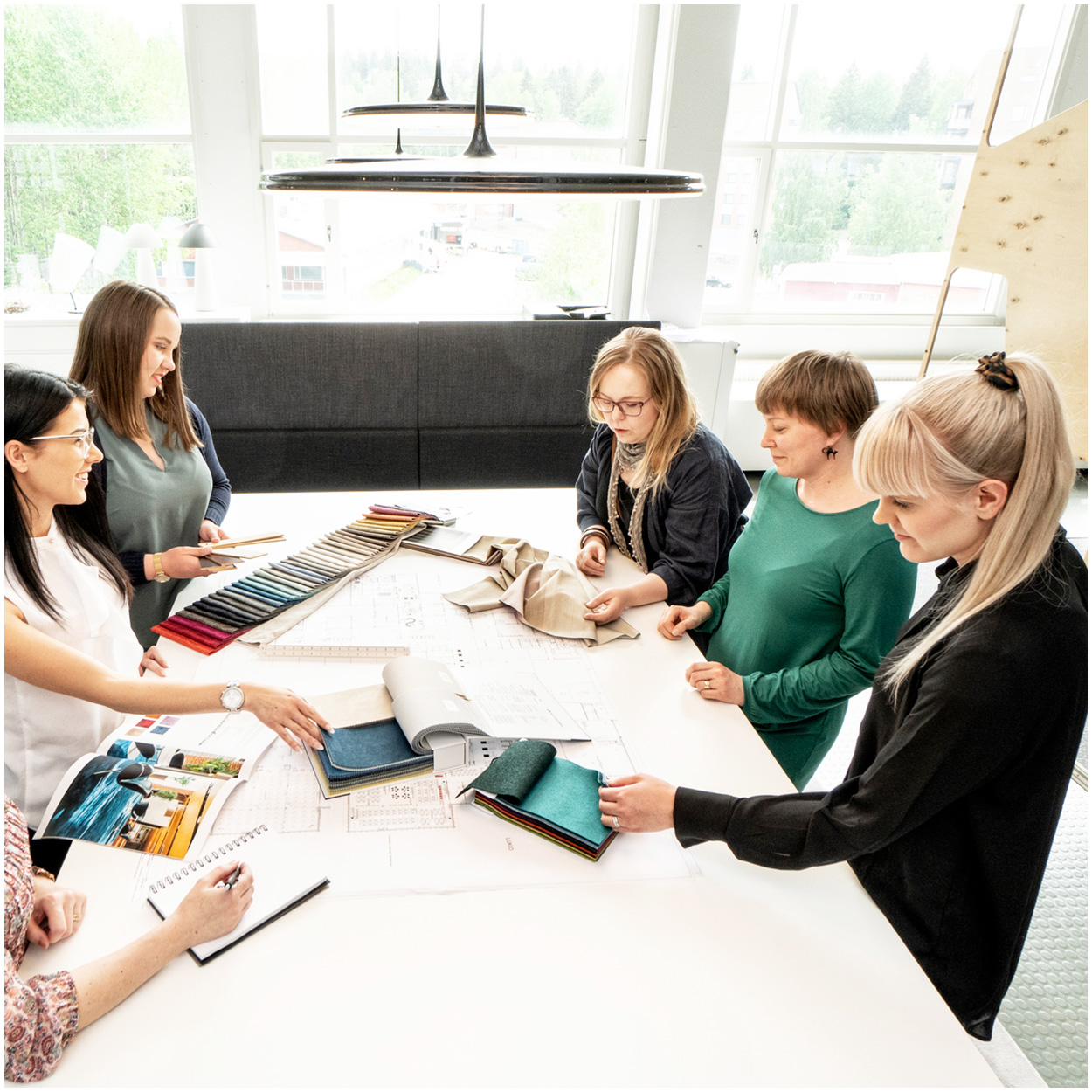
During the early stages of the design process, workshops and sketch review rounds were held, allowing staff to influence the decisions. The furniture design was truly collaborative, and the cooperation with ISKU was seamless.
“Our needs were listened to, and different options were carefully considered to ensure the most functional outcome. The process progressed on time and with great expertise. The key factors in our success were co-design, a pedagogical perspective, and involving the staff throughout the design process,” Paavola summarizes.