

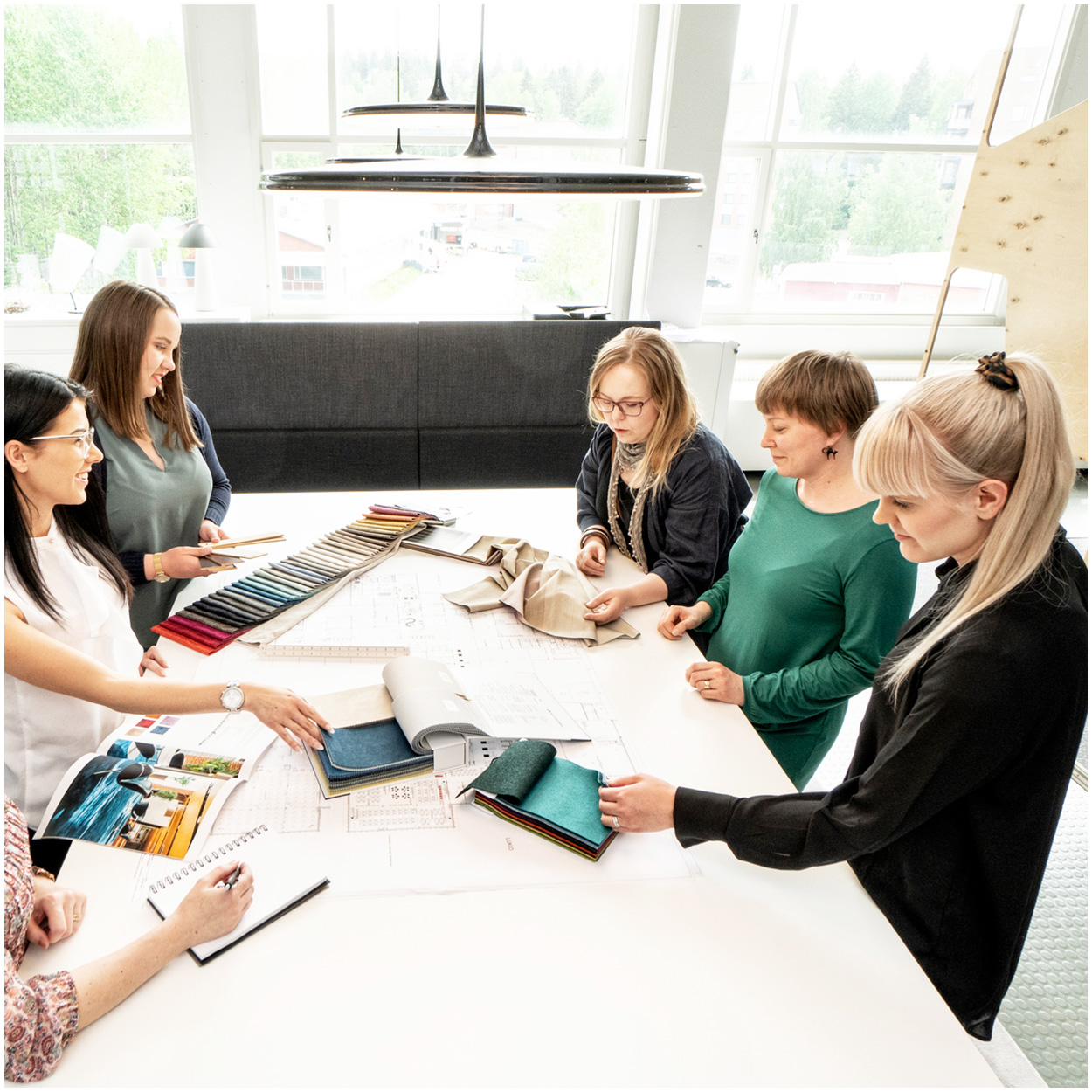


Workplace development significantly improves productivity by creating environments that support employee wellbeing, enhance focus, and facilitate collaboration. Through strategic furniture selection, ergonomic design, and thoughtful space planning, businesses can reduce physical strain, minimise distractions, and foster the diverse work activities that modern teams require to perform at their best.
Understanding workplace development and its impact on business performance
Workplace development encompasses the strategic transformation of physical work environments to enhance both employee satisfaction and business outcomes. This comprehensive approach involves optimising spatial layouts, selecting appropriate furniture, and creating environments that support various work styles and activities.
The impact on business performance extends beyond simple aesthetics. When employees work in thoughtfully designed spaces with proper ergonomic support, they experience less physical discomfort and can maintain focus for longer periods. The physical workspace directly influences how teams collaborate, how individuals concentrate, and how effectively daily tasks are completed.
Modern workplace development recognises that different activities require different environmental support. A space designed for deep concentration needs different elements than an area meant for creative collaboration. By addressing these varied needs through strategic furniture placement and environmental design, organisations create the foundation for sustained productivity improvements.
What does workplace development mean in modern business?
Modern workplace development is a holistic approach to creating work environments that adapt to contemporary business needs and employee expectations. It involves comprehensive space optimisation that considers how physical elements support different work modes and business objectives.
The concept extends beyond traditional office design to encompass ergonomic furniture solutions, lighting optimisation, acoustic management, and flexible space configurations. Professional workplace development services typically include needs assessment, collaborative planning with staff, and implementation strategies that ensure smooth transitions to improved work environments.
Key components include creating distinct zones for focused work, collaborative activities, relaxation, and spontaneous interactions. Each zone requires specific furniture solutions and environmental considerations. For instance, focus areas benefit from sound-dampening elements and visual privacy, whilst collaborative spaces need flexible seating arrangements and technology integration.
The development process involves understanding existing work patterns, identifying improvement opportunities, and implementing solutions that align with organisational culture and operational requirements. This systematic approach ensures that physical workspace changes genuinely support business goals rather than simply following design trends.
How does office furniture design affect employee productivity?
Office furniture design directly impacts employee productivity through its influence on physical comfort, cognitive function, and work efficiency. Ergonomic furniture solutions reduce physical strain and fatigue, allowing employees to maintain focus and energy throughout the workday.
Proper desk configurations support natural posture and reduce repetitive strain injuries. Height-adjustable desks accommodate different body types and work preferences, whilst ergonomic seating provides essential spinal support during extended work periods. These physical benefits translate directly into improved concentration and reduced sick leave.
Storage systems also play a crucial role in productivity. Well-designed storage solutions keep essential items accessible whilst maintaining organised workspaces. This organisation reduces time spent searching for materials and creates mental clarity that supports focused thinking.
The psychological impact of furniture design shouldn’t be underestimated. Quality, aesthetically pleasing furniture contributes to employee satisfaction and pride in their workplace. When employees feel valued through their physical environment, engagement and motivation naturally increase, leading to higher productivity levels.
| Furniture Element | Productivity Impact | Key Benefits |
|---|---|---|
| Ergonomic Seating | Reduces fatigue and discomfort | Better posture, fewer breaks, sustained focus |
| Adjustable Desks | Accommodates work preferences | Improved circulation, reduced strain, flexibility |
| Storage Solutions | Enhances organisation | Quick access, reduced clutter, mental clarity |
| Collaborative Furniture | Facilitates teamwork | Better communication, idea sharing, project efficiency |
What are the key elements of productive workspace design?
Productive workspace design integrates multiple environmental factors that collectively support employee performance and wellbeing. Strategic layout planning forms the foundation, ensuring that space flows logically and different work activities have appropriate areas.
Lighting plays a fundamental role in productivity. Natural light reduces eye strain and supports circadian rhythms, whilst adjustable artificial lighting accommodates different tasks and times of day. Poor lighting leads to fatigue and reduced concentration, making this element critical for workplace effectiveness.
Acoustic management prevents one of the most common productivity barriers in modern offices. Sound-absorbing materials, strategic furniture placement, and designated quiet zones help employees maintain focus despite open office environments. Acoustic solutions include high-backed seating, partition walls, and dedicated phone booths for private conversations.
Colour schemes influence mood and energy levels. Calming colours support concentration in focus areas, whilst more vibrant tones can energise collaborative spaces. The psychological impact of colour choices contributes to overall workplace atmosphere and employee satisfaction.
Furniture placement must facilitate natural movement patterns whilst creating distinct zones for different activities. Successful workspace design includes areas for concentrated work, team collaboration, informal meetings, and relaxation. Each zone requires specific furniture and environmental considerations to function effectively.
How do you implement effective workplace development strategies?
Implementing effective workplace development requires a systematic approach that begins with thorough needs assessment and involves employees throughout the process. Collaborative planning ensures that changes address real workplace challenges rather than assumed problems.
The assessment phase involves observing current work patterns, conducting employee interviews, and identifying specific productivity barriers. This research reveals which areas need improvement and what types of solutions would be most beneficial. Understanding how different teams use space helps inform furniture selection and layout decisions.
Space planning follows the assessment, creating detailed layouts that accommodate identified needs. This stage involves selecting appropriate furniture for different zones, planning traffic flows, and ensuring that technical requirements like power and data connections are addressed. Professional workplace development services can guide this complex planning process.
Implementation phases should be carefully managed to minimise business disruption. Gradual transitions often work better than complete overhauls, allowing employees to adapt to changes whilst maintaining productivity. Change management involves communicating benefits, providing training on new furniture or systems, and gathering feedback for adjustments.
Regular evaluation ensures that implemented changes achieve desired outcomes. Monitoring employee satisfaction, productivity metrics, and space utilisation helps identify successful elements and areas needing refinement. This ongoing assessment supports continuous improvement in workplace effectiveness.
Key takeaways for successful workplace development initiatives
Successful workplace development initiatives require understanding that physical environments significantly impact employee performance and business outcomes. Strategic investment in quality furniture and thoughtful design creates long-term benefits that extend beyond immediate productivity gains.
Employee involvement throughout the development process ensures that changes address real needs and gain staff support. Collaborative planning methods, including interviews and workshops, create valuable foundations for successful implementation whilst building enthusiasm for workplace improvements.
Different work activities require different environmental support. Creating distinct zones for focused work, collaboration, relaxation, and spontaneous interaction ensures that all workplace needs are addressed. This zonal approach maximises space efficiency whilst supporting diverse work styles.
Quality furniture investments pay dividends through reduced sick leave, improved employee satisfaction, and sustained productivity improvements. Ergonomic solutions, flexible configurations, and aesthetically pleasing designs contribute to workplace environments that attract and retain talented employees.
Professional workplace development services provide expertise in needs assessment, space planning, and implementation management. These services ensure that workplace improvements align with business objectives whilst creating environments that genuinely support employee wellbeing and productivity.
The most effective workplace development initiatives view physical environment as a strategic business tool rather than simply an operational necessity. When organisations invest thoughtfully in their work environments, they create competitive advantages through improved employee performance, satisfaction, and retention.