


Understanding the connection between workplace development and user experience
The relationship between workplace development and user experience extends far beyond simply choosing attractive furniture. Modern businesses recognise that thoughtful workspace design directly influences how employees interact with their environment, affecting everything from daily productivity to long-term job satisfaction.
User experience in the workplace encompasses every touchpoint an employee has with their physical environment. This includes how comfortable they feel at their desk, how easily they can collaborate with colleagues, and whether the space supports their varied work activities throughout the day.
Effective workplace development requires understanding that different work activities demand different environmental conditions. Some tasks require deep focus and minimal distractions, whilst others benefit from collaborative spaces that encourage spontaneous interactions and creative thinking.
The modern workplace must accommodate diverse working styles and preferences. Employees need access to various zones that support focused work, collaborative activities, informal meetings, and relaxation. This zoning approach ensures that every individual can find spaces that match their current work requirements.
What does workplace development mean in the context of user experience?
Workplace development in the context of user experience refers to the strategic planning and implementation of physical environments that prioritise employee needs and work patterns. This approach goes beyond traditional office design to create spaces that actively enhance daily work experiences.
The process involves comprehensive needs assessment, where organisations examine how their teams actually work rather than making assumptions about space requirements. This includes understanding peak collaboration times, preferred working styles, and the types of activities that drive business success.
Environmental factors play a crucial role in shaping user experience. Lighting conditions, acoustic management, air quality, and temperature control all contribute to how comfortable and productive employees feel in their workspace. These elements must work harmoniously to create an environment that supports sustained performance.
Furniture selection becomes a critical component of workplace development when viewed through the user experience lens. Each piece must serve multiple purposes: supporting physical health through ergonomic design, facilitating work activities through functional features, and contributing to the overall aesthetic that influences mood and motivation.
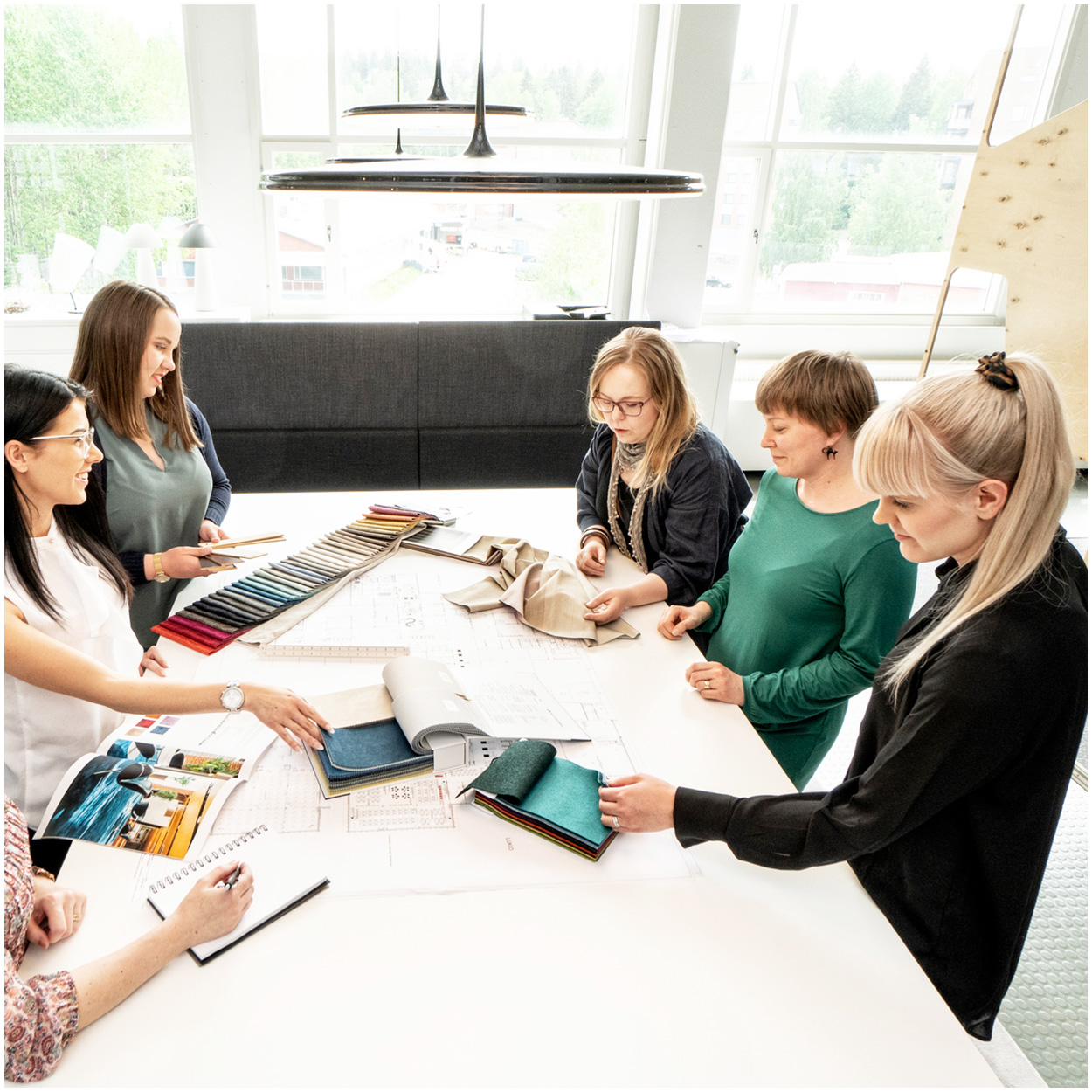
Professional workplace development services typically involve collaborative planning processes that engage employees in the design phase, ensuring that final solutions truly meet user needs and expectations.
How does furniture selection impact employee satisfaction and productivity?
Quality office furniture directly influences employee satisfaction by addressing both physical comfort and psychological wellbeing. Ergonomic seating reduces physical strain and fatigue, whilst thoughtfully designed workstations support efficient task completion and reduce frustration.
Ergonomic considerations extend beyond traditional desk chairs to encompass height-adjustable surfaces, monitor positioning, and storage accessibility. When employees can easily adjust their workspace to suit their physical needs, they experience less discomfort and can maintain focus for longer periods.
The aesthetic appeal of furniture contributes significantly to workplace satisfaction. Beautiful, well-designed pieces create environments that employees feel proud to work in, which can improve morale and even influence recruitment and retention efforts.
Functional design elements enhance daily productivity by reducing friction in common work activities. This includes features like integrated cable management, accessible storage solutions, and surfaces that accommodate both digital and analog work materials.
| Furniture Aspect | Impact on Satisfaction | Impact on Productivity |
|---|---|---|
| Ergonomic Design | Reduces physical discomfort and fatigue | Maintains focus and reduces sick days |
| Aesthetic Appeal | Creates pride in workspace | Improves motivation and engagement |
| Functional Features | Reduces daily frustrations | Streamlines work processes |
| Flexibility | Accommodates individual preferences | Adapts to changing work requirements |
What are the key elements of user-centred workplace design?
User-centred workplace design prioritises the actual needs and behaviours of employees rather than following generic design trends. This approach requires careful observation of how teams work and what environmental conditions support their success.
Space planning must accommodate different work modes throughout the day. Focus zones provide quiet environments for concentrated work, whilst collaborative areas facilitate teamwork and knowledge sharing. Social spaces support relationship building and informal communication that strengthens team dynamics.
Lighting considerations significantly impact user experience, affecting both visual comfort and circadian rhythms. Natural light should be maximised where possible, supplemented by adjustable artificial lighting that can adapt to different tasks and times of day.
Acoustic solutions address one of the most common workplace complaints: noise distraction. Effective acoustic management includes both sound absorption materials and strategic placement of different activity zones to minimise interference between quiet and collaborative work.
Flexible furniture arrangements allow spaces to evolve with changing needs. Modular systems and mobile pieces enable teams to reconfigure their environment for different projects or working styles without requiring major renovations.
How do sustainable furniture solutions enhance the workplace experience?
Sustainable furniture solutions contribute to positive user experiences by creating healthier indoor environments and supporting employees’ values around environmental responsibility. These choices often result in higher quality pieces that perform better over time.
Health benefits emerge from sustainable materials that emit fewer volatile organic compounds, improving indoor air quality. Natural materials and finishes can also contribute to biophilic design principles that connect occupants with nature, reducing stress and improving wellbeing.
Corporate responsibility initiatives around sustainability resonate strongly with many employees, particularly younger generations. Working in an environment that reflects their environmental values can increase job satisfaction and company loyalty.
The psychological impact of sustainable workplace environments includes increased pride in the organisation and a sense of contributing to positive environmental outcomes. This can enhance employee engagement and support recruitment efforts among environmentally conscious candidates.
Sustainable furniture often represents superior long-term value through durability and timeless design. This reduces the need for frequent replacements, minimising disruption to the work environment whilst demonstrating responsible resource management.
Key takeaways for implementing effective workplace development strategies
Successful workplace development requires a holistic approach that considers user experience at every decision point. Begin with thorough needs assessment that involves employees in identifying their actual work patterns and environmental preferences.
Invest in quality ergonomic solutions that support employee health and comfort. This investment typically pays dividends through reduced absenteeism, improved productivity, and enhanced job satisfaction that supports retention efforts.
Create diverse zones within your workspace that accommodate different work modes. This flexibility allows employees to choose environments that match their current tasks, leading to more effective and satisfying work experiences.
Consider the long-term impact of furniture and design choices on both user experience and environmental responsibility. Sustainable, high-quality solutions often provide better user experiences whilst supporting corporate values and goals.
Engage professional expertise when planning significant workplace changes. Experienced workplace development specialists can help identify opportunities and solutions that might not be apparent to internal teams, ensuring that investments deliver maximum benefit to user experience and business outcomes.