



A user-centered learning environment is an educational space designed around the needs, preferences, and learning styles of students rather than traditional teaching methods. These environments prioritise student agency, flexibility, and collaborative interaction through thoughtful furniture selection and space planning that adapts to various pedagogical approaches and learning activities.
Understanding user-centered learning environments in modern education
User-centered learning environments represent a fundamental shift from traditional classroom design to spaces that genuinely prioritise student needs and learning outcomes. These environments recognise that effective learning happens when physical spaces support diverse learning styles, encourage collaboration, and provide flexibility for different teaching methodologies.
The core principle behind user-centered design in education is that learning spaces should adapt to learners, not the other way around. This approach considers how students naturally interact, process information, and engage with content, then creates physical environments that enhance these natural learning behaviours.
Modern educational furniture plays a crucial role in this transformation. Rather than fixed rows of desks facing forward, user-centered environments feature modular seating, flexible tables, and storage solutions that can be reconfigured based on the learning activity. This flexibility supports everything from individual focused work to collaborative group projects and presentations.
These environments also recognise the importance of different learning zones within a single space. Students benefit from having access to quiet areas for concentration, collaborative zones for group work, and comfortable spaces for informal learning and social interaction.
What does user-centered learning environment actually mean?
A user-centered learning environment is fundamentally about creating educational spaces where student needs drive design decisions. This means considering how different students learn best, what physical conditions support their concentration, and how the space can accommodate various teaching and learning activities throughout the day.
These environments adapt to different learning styles by providing multiple types of seating and work surfaces. Visual learners benefit from writable surfaces and display areas, whilst kinaesthetic learners need spaces that allow for movement and hands-on activities. Auditory learners require acoustic considerations that support both group discussions and quiet reflection.
Student agency is promoted through choice and control over their learning environment. When students can select appropriate seating, lighting, and workspace configurations, they become more invested in their learning process. This autonomy helps develop self-regulation skills and personal responsibility for learning outcomes.
The environment supports various teaching methodologies by offering flexibility. Teachers can easily transition from lecture-style delivery to small group work, individual study time, or collaborative projects without being constrained by fixed furniture arrangements. This adaptability enables pedagogical innovation and responsive teaching practices.
How does furniture design impact student-centered learning?
Furniture design directly influences learning outcomes by affecting student comfort, engagement, and ability to participate in different types of learning activities. Ergonomic considerations are fundamental, as uncomfortable students struggle to maintain focus and engagement over extended periods.
Ergonomic seating supports proper posture and reduces physical discomfort that can distract from learning. Height-adjustable chairs and desks accommodate students of different sizes, ensuring everyone can work comfortably. This is particularly important in mixed-age learning environments or spaces used by multiple year groups.
Flexible tables serve multiple functions beyond traditional desk work. Mobile tables can be quickly reconfigured for group projects, presentations, or practical activities. Tables with different heights create varied work environments and can even provide amphitheatre-style arrangements for presentations and discussions.
Modular storage solutions support organisation and accessibility whilst maintaining the flexibility essential to user-centered environments. Students can access materials independently, and teachers can easily reorganise resources based on changing curriculum needs. Well-designed storage also contributes to a clutter-free environment that supports concentration and reduces distractions.
The mobility of furniture elements enables rapid transitions between different learning activities. When students can easily move and reconfigure their workspace, it reduces transition time and maintains learning momentum throughout the day.
What are the key elements of a user-centered classroom layout?
Essential components of user-centered classroom layouts include flexible seating arrangements that can be quickly reconfigured, designated collaborative zones, quiet study areas, and integrated technology access points that support modern learning needs.
Flexible seating arrangements move beyond traditional rows to include various seating options such as soft seating areas, standing-height work surfaces, and collaborative table groupings. This variety allows students to choose seating that matches their learning task and personal preferences.
Collaborative zones are specifically designed spaces that encourage group work and peer interaction. These areas typically feature circular or curved seating arrangements that promote eye contact and equal participation. The furniture in these zones is easily moveable to accommodate different group sizes and activities.
Quiet study areas provide retreat spaces for students who need to concentrate without distractions. These zones often feature acoustic elements, comfortable individual seating, and visual barriers that create a sense of privacy whilst maintaining teacher oversight.
Technology integration points ensure that digital tools enhance rather than complicate the learning environment. This includes accessible power outlets, wireless connectivity, and mobile device storage that keeps technology available but not dominant in the physical space.
Effective layouts also consider traffic flow and sight lines, ensuring teachers can supervise all areas whilst students can move freely between different zones as their learning needs change throughout the day.
How do you create flexible learning spaces that adapt to different teaching methods?
Creating adaptable learning environments requires careful selection of moveable furniture and multi-functional pieces combined with strategic space planning that supports both individual and group learning activities across various pedagogical approaches.
Moveable furniture forms the foundation of flexible spaces. Lightweight tables and chairs that students can easily reposition enable quick transitions between teaching methods. Stackable seating allows for rapid space clearing when floor activities are needed, whilst mobile storage units can create temporary boundaries or provide resources exactly where needed.
Multi-functional pieces maximise space efficiency whilst supporting diverse activities. Ottoman seating that doubles as storage, tables that convert from individual to collaborative configurations, and wall-mounted surfaces that serve as both display and work areas all contribute to environmental flexibility.
Space planning strategies should anticipate different spatial needs throughout the day. Open floor areas accommodate movement-based learning and large group activities, whilst alcoves and corners provide intimate spaces for small group work or individual consultation.
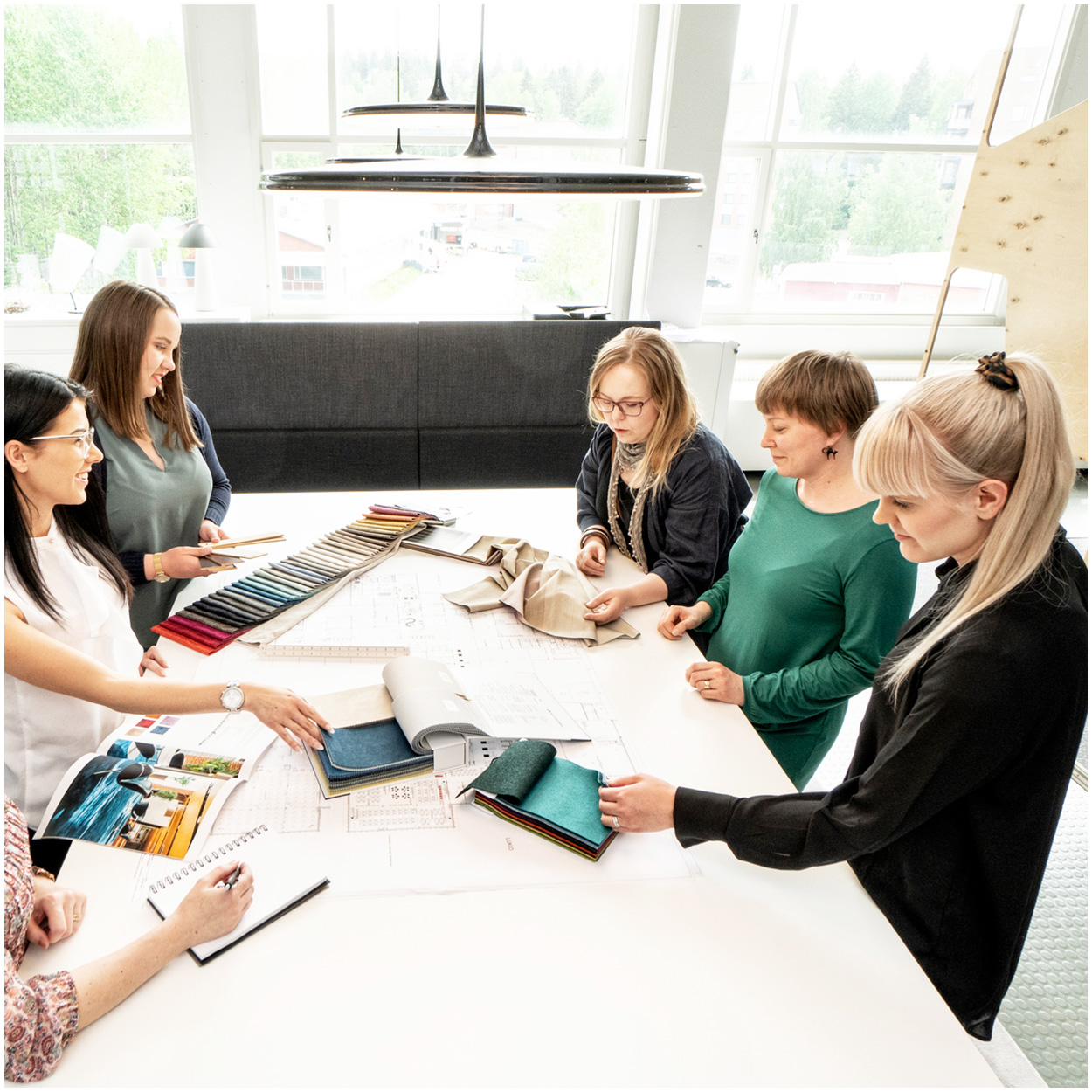
Professional learning environment development services can provide comprehensive support for creating these flexible spaces. Through collaborative planning that includes needs assessment, design consultation, and implementation support, educational institutions can develop truly user-centered environments that enhance both teaching and learning experiences. You can explore comprehensive learning environment solutions that prioritise user-centered design principles.
The key is ensuring that spatial changes can happen quickly and quietly, without disrupting the learning flow. When environmental transitions are seamless, teachers can respond dynamically to student needs and learning opportunities as they arise.
Key takeaways for implementing user-centered learning environments
Successful implementation of user-centered learning environments requires commitment to student-focused planning, investment in quality flexible furniture, and ongoing adaptation based on user feedback and changing educational needs.
Quality furniture investment pays dividends through durability, functionality, and user satisfaction. Well-designed educational furniture withstands frequent reconfiguration whilst maintaining comfort and safety standards. This investment supports long-term educational goals rather than requiring frequent replacement.
Flexible design principles should guide all decisions, from major furniture purchases to minor accessories. Every element should serve multiple purposes or be easily adaptable to changing needs. This flexibility extends beyond physical furniture to include lighting, acoustics, and technology integration.
Student-focused planning involves learners in the design process, gathering feedback about their preferences and observing how they naturally use spaces. This user input ensures that theoretical design concepts translate into practical, effective learning environments.
Implementation should be viewed as an ongoing process rather than a one-time project. Regular evaluation and adjustment ensure that learning environments continue to serve their users effectively as educational practices evolve and student needs change.
The ultimate goal is creating educational spaces where learning flourishes because the environment actively supports rather than hinders the educational process. When students feel comfortable, engaged, and empowered in their learning spaces, educational outcomes naturally improve.