

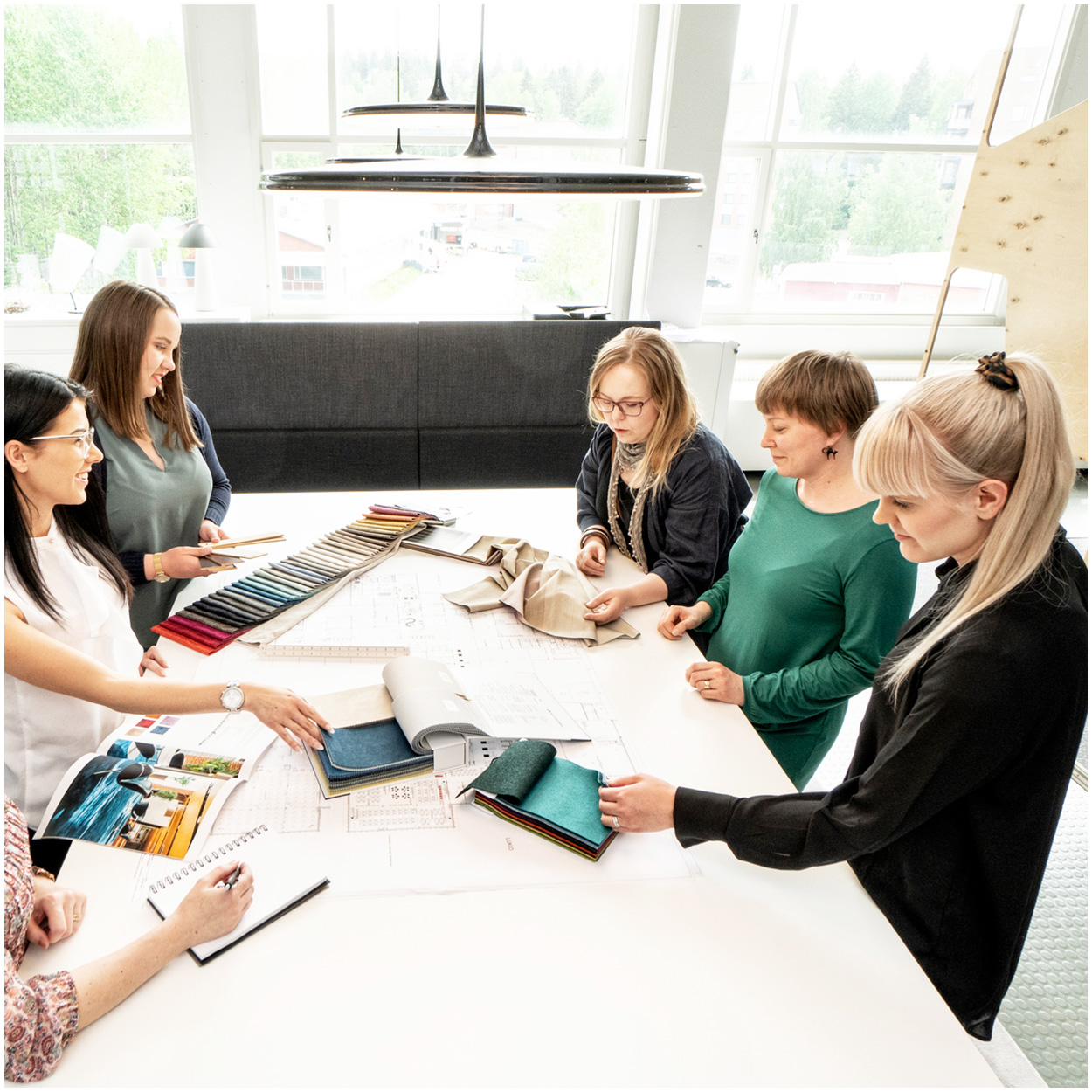


Modern educational environments demand more than traditional rows of desks and hard chairs. As collaborative learning becomes the cornerstone of effective education, the physical learning environment must evolve to support dynamic interaction, creativity, and student engagement. Soft seating solutions, particularly sofas and flexible seating arrangements, are transforming how students learn, collaborate, and connect with their educational material.
The shift towards collaborative learning spaces reflects our understanding that learning is inherently social. Students thrive when they can move freely, form natural discussion groups, and feel comfortable in their environment. This transformation requires thoughtful consideration of educational furniture that supports both individual focus and group dynamics.
We will explore how traditional seating limitations hinder modern learning objectives, examine the proven benefits of soft seating on student outcomes, and provide practical guidance for implementing these solutions effectively in educational settings.
Why traditional classroom seating fails modern collaborative learning
Traditional classroom layouts with rigid desk-and-chair arrangements create significant barriers to effective collaborative learning. These configurations were designed for lecture-based instruction where students passively receive information, not for the interactive, discussion-based learning that modern pedagogy demands.
Fixed seating arrangements limit student movement and natural group formation. When desks are bolted to the floor or arranged in inflexible rows, teachers struggle to facilitate small group discussions, peer-to-peer learning, and project-based activities. Students must crane their necks to see classmates, creating physical discomfort that detracts from learning engagement.
Rigid classroom furniture also reinforces hierarchical learning structures that inhibit student participation. The traditional setup positions the teacher as the sole authority figure while students remain passive recipients. This arrangement contradicts collaborative learning principles that encourage shared knowledge construction and peer interaction.
The psychological impact of uncomfortable seating cannot be overlooked. Hard chairs and restrictive desk arrangements create tension and restlessness, particularly during longer learning sessions. Students become focused on physical discomfort rather than educational content, reducing their ability to engage meaningfully with material and classmates.
Furthermore, traditional seating fails to accommodate diverse learning preferences and physical needs. Some students learn better when they can move freely, shift positions, or find comfortable spaces for reflection. Rigid arrangements ignore these individual differences, potentially excluding students who do not thrive in conventional settings.
How soft seating transforms student engagement and learning outcomes
Research consistently demonstrates that comfortable, flexible seating arrangements significantly improve student focus, creativity, and participation. When students feel physically comfortable, they can dedicate their full attention to learning activities rather than managing discomfort or restlessness.
Soft seating creates a more relaxed, welcoming atmosphere that encourages open communication and risk-taking in learning. Students are more likely to share ideas, ask questions, and engage in meaningful discussions when they feel comfortable and unthreatened by their physical environment. This psychological safety is crucial for effective collaborative learning.
The flexibility of soft seating solutions allows students to naturally form appropriate group sizes for different activities. Whether working in pairs, small teams, or larger discussion circles, students can quickly reconfigure their seating to match the learning objective. This adaptability supports the dynamic nature of modern collaborative learning.
Physical comfort directly impacts cognitive function and attention span. When students can adjust their posture, change positions, and find comfortable seating arrangements, they maintain focus for longer periods. This sustained attention leads to deeper learning and better retention of educational material.
Soft seating also supports different learning styles and preferences. Visual learners can position themselves optimally to see presentations or demonstrations, while kinesthetic learners can move and adjust as needed. This inclusivity ensures that all students can participate fully in collaborative activities.
Essential soft seating solutions for different collaborative learning activities
Different collaborative learning activities require specific seating configurations to maximize effectiveness. Understanding these requirements helps educators and space planners select appropriate educational furniture for various learning scenarios.
For small group discussions, modular soft seating that can be arranged in circles or semicircles works exceptionally well. Low-back sofas and cushioned chairs allow students to face one another comfortably while maintaining eye contact throughout discussions. These arrangements facilitate a natural flow of conversation and ensure all participants can contribute equally.
Project work benefits from flexible seating that can accommodate both collaborative planning and individual task completion. Combination arrangements with soft seating for discussion phases and nearby work surfaces for hands-on activities create seamless transitions between different project stages.
Reading corners require comfortable, slightly enclosed seating that provides both individual focus and opportunities for shared reading experiences. Bean bags, floor cushions, and small sofas create inviting spaces where students can engage with literature individually or in small reading groups.
Presentation areas need tiered soft seating that allows clear sightlines while maintaining comfort during longer presentations. Stadium-style arrangements using seating at varied heights create excellent viewing angles while encouraging audience engagement and discussion.
Informal learning spaces benefit from diverse seating options that support spontaneous interactions and casual learning conversations. Mixing different types of soft seating creates dynamic environments where students naturally gather for peer tutoring, study groups, and collaborative problem-solving.
Design principles for integrating sofas into educational spaces
Successful integration of soft seating into learning environment design requires careful attention to space planning, traffic flow, and acoustic considerations. These elements work together to create functional, comfortable environments that truly support collaborative learning objectives.
Space planning should prioritize flexibility and clear sightlines throughout the learning area. Soft seating arrangements must allow easy movement between different zones while maintaining clear pathways for accessibility. Consider how furniture placement affects both group dynamics and individual student needs when designing layouts.
Traffic flow becomes particularly important in active learning environments where students frequently move between activities. Ensure that soft seating arrangements do not create bottlenecks or isolated areas that hinder natural movement patterns. Wide pathways and intuitive furniture placement support smooth transitions between different learning phases.
Acoustic considerations are crucial when implementing soft seating in collaborative spaces. While these environments encourage discussion and interaction, excessive noise can become counterproductive. Choose upholstered furniture that helps absorb sound while positioning seating to create natural acoustic zones for different activity levels.
Durability and maintenance requirements for educational space planning demand careful material selection and construction quality. Educational furniture must withstand heavy daily use while maintaining its appearance and comfort over time. We understand these demands and design our educational solutions to meet rigorous durability standards while supporting innovative learning approaches. You can explore comprehensive learning environment solutions that balance durability with educational effectiveness.
Safety considerations include ensuring all soft seating meets relevant fire safety standards and provides appropriate support for users of different ages and sizes. Furniture selection should also consider cleaning and sanitization requirements, which are particularly important in educational settings.
Measuring the impact of soft seating on collaborative learning success
Evaluating the effectiveness of soft seating implementations requires systematic approaches that capture both quantitative and qualitative impacts on learning outcomes. Multiple measurement methods provide comprehensive insights into how environmental changes affect student engagement and academic performance.
Student feedback provides valuable insights into comfort levels, learning preferences, and perceived improvements in collaborative experiences. Regular surveys and focus groups help identify which seating arrangements work best for different activities and highlight areas for further improvement.
Engagement metrics can be observed and documented through classroom observations, participation rates in discussions, and time-on-task measurements. Teachers often notice increased voluntary participation and longer sustained attention spans when students are comfortable in their learning environment.
Academic performance indicators, while influenced by many factors, can show correlations with environmental improvements over time. Tracking assignment quality, collaboration skills development, and creative problem-solving abilities provides insights into the broader educational impact of modern classroom design.
Space utilization data reveals how students naturally use different seating areas and which configurations are most popular for various activities. This information guides future furniture decisions and layout optimizations to better support learning objectives.
Long-term success stories from educational institutions demonstrate the sustained benefits of investing in quality soft seating solutions. Schools report improved student satisfaction, enhanced collaborative skills, and more dynamic learning environments that support diverse teaching methodologies.
The transformation of educational spaces through thoughtful soft seating implementation represents a significant investment in student success and engagement. By moving beyond traditional rigid arrangements towards flexible classroom furniture solutions, educational institutions create environments that truly support collaborative learning and student well-being. The evidence consistently shows that comfortable, adaptable learning spaces lead to improved outcomes, greater student satisfaction, and more effective collaborative learning experiences. As education continues to evolve towards more interactive and student-centred approaches, the physical learning environment must evolve accordingly to support these important pedagogical shifts.