

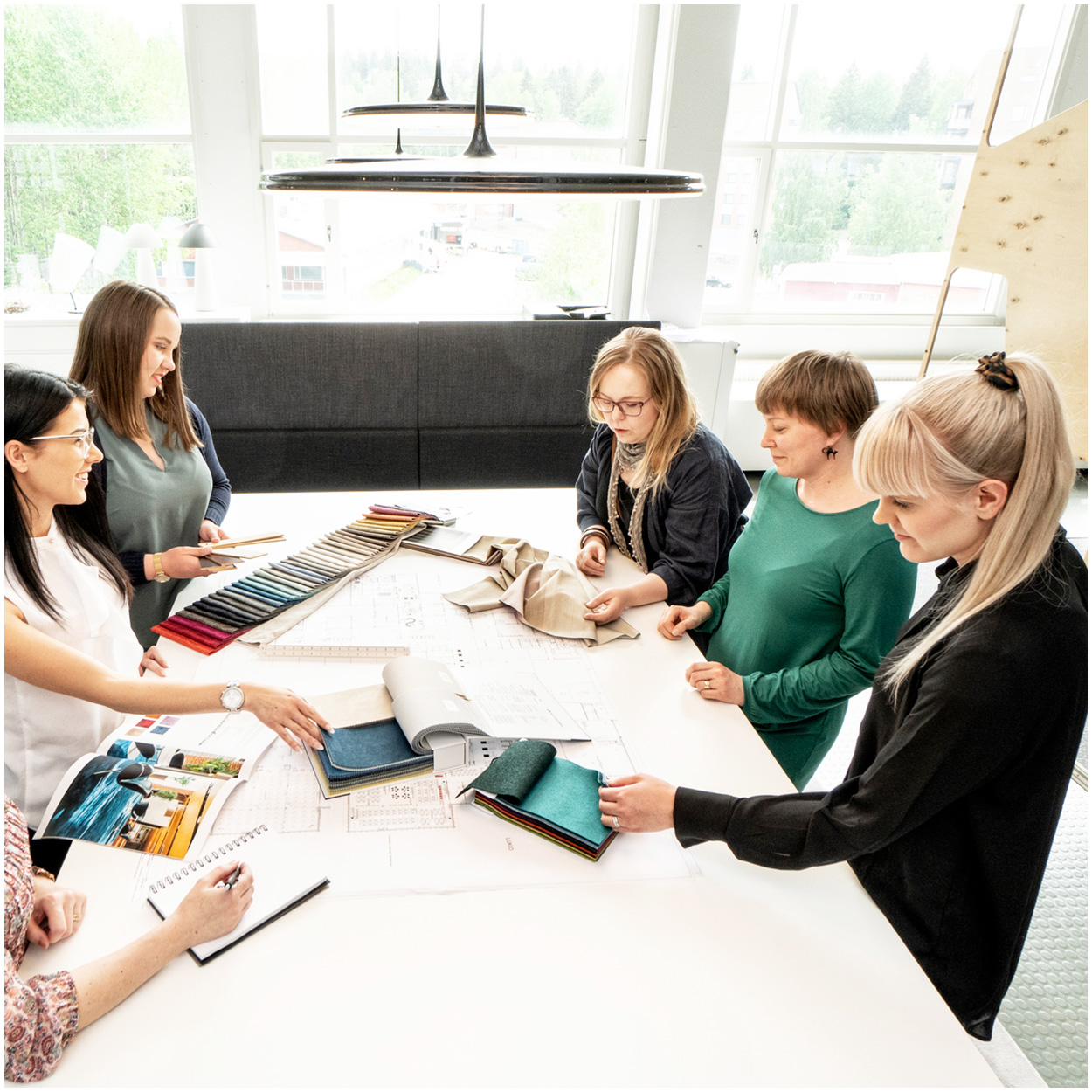


Modern educational environments are moving away from rigid, traditional classroom layouts towards more flexible and interactive spaces. The way students sit and interact in their learning environments plays a crucial role in their engagement, collaboration, and overall educational experience. Sofas in schools and comfortable seating groups are transforming how students connect with each other and participate in collaborative learning spaces.
Educational furniture design has evolved significantly, recognising that student interaction flourishes when physical barriers are removed and comfort is prioritised. This shift towards more relaxed seating arrangements creates opportunities for natural conversation, peer-to-peer learning, and enhanced social learning experiences that traditional classroom seating simply cannot provide.
Why traditional classroom seating limits student collaboration
Traditional desk-and-chair arrangements create significant barriers to natural student interaction. Rigid rows of individual desks facing forward establish a hierarchical structure that discourages peer communication and limits opportunities for spontaneous discussion. Students find themselves physically separated, making eye contact and conversation difficult during group activities.
These conventional setups prioritise individual work over collaborative learning, which contradicts modern educational approaches that emphasise teamwork and social learning. When students are confined to fixed positions, they struggle to form natural discussion groups or engage in the kind of dynamic exchanges that enhance understanding and retention.
The formality of traditional classroom seating can also create psychological barriers. Students often feel more anxious and less likely to participate when seated in rigid formations. This environment can be particularly challenging for students who learn better through discussion and collaborative problem-solving.
Furthermore, traditional seating arrangements limit teachers’ ability to facilitate group work effectively. Moving between rigid desk rows is cumbersome, and creating impromptu learning circles or discussion groups becomes a logistical challenge that disrupts the flow of lessons.
How comfortable seating groups transform learning dynamics
Comfortable seating groups create a more relaxed atmosphere that naturally encourages student engagement. When students sit on sofas or in informal seating arrangements, they experience reduced anxiety levels and feel more comfortable expressing their ideas. This psychological shift is fundamental to creating effective collaborative learning spaces.
The informal nature of seating groups breaks down social barriers between students. When physical comfort increases, students are more likely to engage in meaningful conversations and share diverse perspectives. This environment fosters the kind of open dialogue that enhances critical thinking and deeper understanding of the subject matter.
Comfortable seating also supports different learning styles more effectively than traditional arrangements. Visual learners benefit from being able to face their peers during discussions, while kinesthetic learners appreciate the freedom to adjust their position and move more naturally within the space.
Research in educational psychology shows that when students feel physically comfortable, their cognitive resources can focus entirely on learning rather than managing discomfort or anxiety. This improved focus translates directly into better participation rates and more meaningful peer interactions.
Strategic placement of sofas for maximum student engagement
Effective placement of sofas and seating groups requires careful consideration of sight lines and conversation flow. Positioning seating in circular or semi-circular arrangements ensures that all students can see and hear each other clearly, facilitating natural discussion and maintaining engagement throughout group activities.
Creating multiple learning environments within a single space allows for simultaneous small-group discussions without interference. Strategic spacing between seating groups provides acoustic separation while maintaining the teacher’s ability to monitor and facilitate all groups effectively.
Proximity to resources such as whiteboards, displays, or technology stations should influence sofa placement. Students need easy access to materials and visual aids without disrupting other groups or blocking sight lines to shared resources.
Consider the natural traffic patterns within the space when positioning educational furniture. Seating groups should be accessible without students having to navigate through other active learning areas, and teachers need clear pathways to reach all groups quickly and efficiently.
Flexibility remains crucial in strategic placement. Sofas and seating groups should be easily reconfigurable to accommodate different group sizes and learning activities throughout the day, supporting the dynamic nature of modern educational approaches.
What makes educational furniture effective for interaction
Effective educational furniture for student interaction must balance comfort with durability. Sofas in schools need robust construction to withstand heavy daily use while maintaining their comfort and appearance over time. High-quality materials and reinforced frames ensure longevity in demanding educational environments.
Size considerations play a vital role in promoting interaction. Seating should accommodate three to four students comfortably, encouraging small-group discussions without becoming overcrowded. This size range allows for intimate conversations while preventing groups from becoming too large to manage effectively.
Ergonomic design supports student health and comfort during extended learning sessions. Proper back support, appropriate seat height, and quality cushioning help students maintain focus without physical discomfort that could distract from learning objectives.
Mobility features such as lightweight construction or integrated wheels enable quick reconfiguration of learning spaces. This flexibility allows educators to adapt their environment to different teaching methods and group sizes throughout the day.
Easy maintenance and cleaning capabilities are essential in school environments. Furniture with removable, washable covers or stain-resistant materials helps maintain hygiene standards while preserving the professional appearance of learning spaces.
Measuring the impact of seating on student participation
Effective measurement of the impact of seating on student engagement requires systematic observation and documentation. Teachers can track participation rates before and after implementing new seating arrangements, noting changes in the frequency and quality of student contributions during discussions.
Participation metrics should include both verbal and non-verbal indicators of engagement. Observable behaviours such as eye contact, body language, and active listening provide valuable insights into how seating arrangements affect student comfort and willingness to participate.
Collecting student feedback through surveys or informal discussions offers direct insight into their experiences with different seating arrangements. Questions about comfort levels, ease of collaboration, and perceived learning effectiveness provide valuable data for optimising classroom layouts.
Comparing academic performance and assignment quality before and after seating changes can reveal the broader impact on learning outcomes. Group projects and collaborative assignments often show marked improvement when students have access to comfortable, interaction-friendly seating.
Long-term observation helps identify which seating configurations work best for different types of activities and student groups. This data enables continuous refinement of learning environments to maximise their effectiveness.
Creating supportive learning environments requires thoughtful consideration of how physical spaces influence student interaction and engagement. Comfortable seating groups and strategically placed sofas transform traditional classrooms into dynamic collaborative learning spaces that support modern educational goals. By understanding the psychological and practical benefits of flexible seating arrangements, educators can create environments where students thrive through meaningful peer interaction and enhanced participation. For schools looking to develop more effective spaces, exploring comprehensive learning environment solutions can provide the foundation for transforming educational experiences through thoughtful furniture design and placement.